Major trauma and resus­citation room after a serious accident.

After a serious accident, several parts of the body are often injured at the same time. In the resuscitation room, a team works to a fixed protocol: first secure breathing and circulation, then identify the injuries and treat them in order of priority.

  • Emergency number 112
  • Nine doctors
  • Intensive care unit on site

5,888 reviews on ProvenExpert

  • 112emergency number when life is at risk, free of charge
  • ABCDEapproach: vital functions are secured first
  • CTfrom head to pelvis in a single scan
  • Teamfrom trauma surgery, anaesthesia and radiology

How severely injured patients are cared for. The ambulance service decides which hospital to go to.

Major trauma

Several injuries at once.

Doctors speak of polytrauma, or major trauma, when several body regions or organ systems are injured at the same time and at least one of these injuries, or their combination, is life-threatening. Common causes are road traffic accidents, falls from a great height and serious accidents at work.

The real danger is often invisible: internal bleeding in the abdomen or pelvis, an injured lung, a traumatic brain injury. If the body loses a lot of blood, it goes into shock and the organs are no longer adequately supplied. That is why a fixed order applies: whatever threatens life most quickly is treated first – even if a broken leg is more visible.

Care begins at the scene of the accident. The ambulance crew and emergency doctor secure the airway, stop bleeding and immobilise the spine. The emergency control centre selects a suitable hospital and notifies it of the incoming patients so that the team is ready before the ambulance arrives.

The resuscitation room is a dedicated treatment room within the emergency department, equipped to receive severely injured patients. Trauma surgery, anaesthesia, radiology and nursing work there according to the ABCDE approach: airway, breathing, circulation, neurological status, then examination of the whole body. Initial care is often followed by days in intensive care, further operations and a long period of rehabilitation.


The resuscitation room

What the resuscitation room delivers.

Secure

Airway, breathing and circulation come first. Only once they are secured does attention turn to the other injuries.

Identify

Ultrasound and computed tomography quickly show which organs, blood vessels and bones are injured – including what cannot be seen from the outside.

Contain

At first, only what saves life is done: stopping bleeding and temporarily stabilising fractures. Definitive treatment follows later.

The rescue chain

From the emergency call to intensive care.

Each link in the rescue chain has its own task and hands over to the next in an orderly way.

  1. Emergency call

    Anyone who witnesses a serious accident calls 112, secures the scene and gives first aid, as far as this is possible without putting themselves at risk.

  2. Accident scene

    The ambulance crew and emergency doctor stabilise the injured and relieve pain. The receiving hospital is told in advance who is coming and with what injuries.

  3. Resuscitation room

    The team takes the handover from the ambulance crew and examines the patient using the ABCDE approach. Monitoring, infusions and pain relief begin at the same time.

  4. Imaging

    An abdominal ultrasound looks for internal bleeding, and computed tomography covers the whole body. After that, it is clear what needs immediate surgery.

  5. First operation

    Life-threatening bleeding is stopped and unstable fractures are temporarily fixed, for example with an external fixator.

  6. Intensive care

    Close monitoring, ventilation and circulatory support. If specialties are needed that the hospital does not have, the patient is transferred once stable.

Health or accident insurance

Treatment comes first.

Statutory health insurance

Emergency treatment is covered.

German statutory health insurance covers the resuscitation room, operations, intensive care and further treatment in hospital. In Wertheim, this takes place at the Bürgerspital, a hospital with a public healthcare mandate.

If the accident happened at work, the costs are covered by the statutory accident insurance (Berufsgenossenschaft).

Private insurance or self-pay

In the resuscitation room, only the injury counts.

Emergency care is the same for everyone. Billing takes place afterwards via private health insurance or directly with self-pay patients.

Patients with private insurance and self-pay patients can choose Main-Tauber-Klinik for further treatment, a private clinic in the same building.

Specialists

Your doctors at a glance.

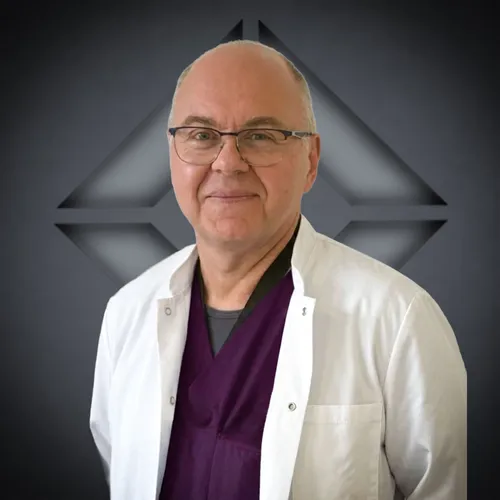
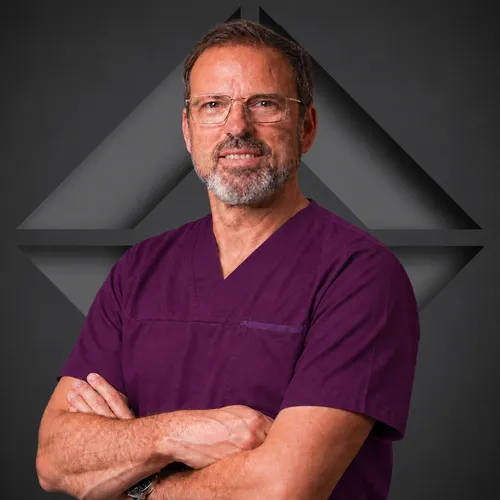
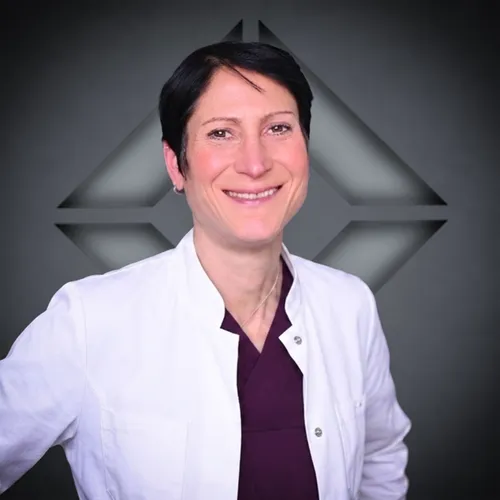
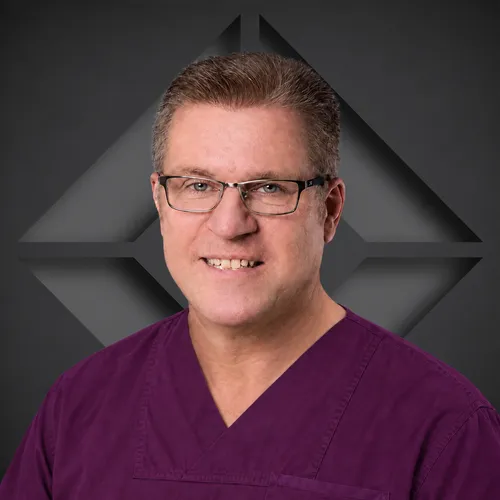
In the resuscitation room, trauma surgery, anaesthesia and emergency medicine work hand in hand, together with radiology and nursing. Listed here are the specialists in orthopaedics and trauma surgery, the anaesthesia specialists qualified in pre-hospital emergency medicine and a specialist in internal medicine and emergency medicine from the central emergency department.

  • Christoph BinasSpecialist in Anaesthesiology, pre-hospital emergency physicianWertheim
  • Gregor BöhlerSpecialist in Trauma Surgery & Orthopaedics / Specialist in Special Trauma SurgeryWertheim
  • Rachel DorschSpecialist in Anaesthesiology, pre-hospital emergency physician, physician responsible for transfusionWertheim
  • Maria Eckert-KufnerSpecialist in Anaesthesiology & Intensive Care Medicine, pre-hospital emergency physicianWertheim
  • Dr. med. Klaus FecherSpecialist in Trauma Surgery & OrthopaedicsWertheim
  • Erando JubicaSpecialist in Anaesthesiology, pre-hospital emergency physicianWertheim
  • Srecko PiculinSpecialist in Internal Medicine & Emergency MedicineWertheim
  • Ahmed SaberSpecialist in Orthopaedics and Trauma SurgeryWertheim
  • Dr. med. Stephan VögeliSpecialist in Trauma Surgery & Orthopaedics / Specialist in Special Trauma SurgeryWertheim

Locations

Where treatment takes place.

Each clinic shows on its own website how the treatment works there.

Frequently asked questions

Good to know.

Where does the ambulance service take a severely injured person?

That is decided by the emergency control centre and the emergency doctor – based on the type and severity of the injuries and on which nearby hospital can treat them. For particularly severe, life-threatening injuries, the Bürgerspital works together with surrounding hospitals.

What happens in the first minutes in the resuscitation room?

The ambulance crew briefly reports what happened and what has already been treated. The team then checks airway, breathing, circulation and consciousness before examining the whole body. Who takes on which task is agreed in advance.

Why isn’t everything operated on straight away?

A body in shock can only cope with short procedures. Long operations would put additional strain on circulation and blood clotting. Definitive treatment of the fractures therefore often follows only days later, once the patient’s condition is stable.

Can relatives come into the resuscitation room?

As a rule, no, because a lot happens there in a short time. The treatment team informs relatives as soon as the situation allows. Information about pre-existing conditions, medication and allergies is helpful.

What can I do at the scene of an accident?

Your own safety comes first: secure the scene, call 112 and stay on the line until the control centre ends the call. Stop heavy bleeding with pressure, place unconscious people who are breathing normally in the recovery position, and otherwise move injured people as little as possible.

How long does treatment take after major trauma?

Usually weeks, often months: intensive care, further operations, time on a general ward and rehabilitation dovetail with one another. How well strength and mobility recover varies from person to person.

Who cares for severely injured patients in intensive care?

Specialists in anaesthesiology and intensive care medicine together with intensive care nurses. They monitor breathing, circulation and organ function continuously and coordinate every further procedure with the trauma surgeons.

Further reading

More on the topic.

In-depth articles from the group's clinics.

Consultation

Personal consultation.

Describe your request – the right clinic will get back to you.

CGCE Group in the media

  • ARD
  • Frankfurter Allgemeine Zeitung
  • WAZ
  • ProSieben
  • DIE WELT
  • Hamburger Abendblatt
  • SWR
  • Süddeutsche Zeitung
  • Stuttgarter Zeitung
  • FOCUS
  • Handelsblatt
  • Berliner Morgenpost
  • Galileo
  • BILD
  • Gala
  • Brigitte
  • Apotheken Umschau
  • Mannheimer Morgen
  • Bild der Frau
  • sonnenklar.TV
  • Main-Echo
  • Klassik Radio
  • Fränkische Nachrichten
  • Bild der Frau Schlank & fit
  • Radio Gong 96.3

Reviews

What patients say about us.

CGCE GroupVerified

5,888 reviews on ProvenExpert

  • Sithembiso F.

    This was the best decision I have ever taken for myself. The whole experience has changed my life for the better. From the first consultation I felt welcomed and treated very well. I did not feel alone during the journey because the team were just a WhatsApp away and they made regular check-ups on me. Thank you for everyone at the hospital from the staff to the doctors, you are all amazing.

    Weight Doctors South Africa
  • Maria

    Wow, was für ein erster Eindruck! Dr. Frank Gruner, dessen Professionalität von jahrelanger Erfahrung zeugt, war äußerst verständlich und menschlich (was mir sehr wichtig war). Er verstand meine Bedürfnisse, und seine Erklärungen und Anweisungen entsprachen genau meinen Vorstellungen. Die Patientenberaterin Jennifer war mit ihrem Charme ebenfalls eine große Hilfe und erklärte mir alles Notwendige und den weiteren Ablauf. Auch die Mitarbeiter am Empfang waren sehr höflich und freundlich. Ich melde mich nach der Operation mit meinen Eindrücken zurück. Vielen Dank an alle!

    Westfalenklinik Fachklinik für Plastische und Ästhetische Chirurgie · Original in German
  • Anonym

    Ich habe eine Unterlidstraffung machen lassen und bin mit dem Ergebnis sehr zufrieden. Mein Dank geht vor allem an Frau Dr. Simidjiiska für ihre Fürsorge, Kompetenz und Empathie. Aber auch das gesamte Team der Klinik macht einen hervorragenden Job!

    Westfalenklinik Fachklinik für Plastische und Ästhetische Chirurgie · Original in German
  • Anonym

    Ich bin rundum begeistert von meiner Erfahrung in dieser Haartransplantationsklinik. Von der ersten Kontaktaufnahme bis zur Nachsorge war alles hervorragend organisiert und professionell. Das gesamte Team war unglaublich freundlich, hilfsbereit und zuvorkommend. Man hat sich jederzeit gut aufgehoben und ernst genommen gefühlt. Besonders positiv fand ich, dass sich alle Mitarbeiter ausreichend Zeit genommen haben, um meine Fragen zu beantworten und jeden Schritt verständlich zu erklären. Auch der Service war erstklassig. Die Organisation, die Betreuung vor und nach dem Eingriff sowie die Kommunikation waren wirklich hervorragend. Das gesamte Team hat einen sehr kompetenten und gleichzeitig menschlichen Eindruck gemacht. Die Klinik selbst ist modern, sauber und sehr gut ausgestattet. Während der Behandlung wurde äußerst sorgfältig und professionell gearbeitet, und ich hatte zu jedem Zeitpunkt das Gefühl, in guten Händen zu sein. Ein großes Dankeschön an das gesamte Team für die tolle Betreuung und den freundlichen Umgang! Ich kann die Klinik absolut weiterempfehlen und bin mit meiner bisherigen Erfahrung sehr zufrieden. Wer Wert auf Professionalität, Qualität und einen hervorragenden Service legt, ist hier meiner Meinung nach bestens aufgehoben.

    Westfalenklinik Fachklinik für Plastische und Ästhetische Chirurgie · Original in German
  • Andre W.

    Bisher war es nur ein Beratungsgespräch aber es war sehr gut.

    Weight Doctors Group · Original in German
  • David C.

    Ich fand, dass der Arzt gut und verständlich erklärt hat. Ich habe diese Woche noch einen Termin in einer anderen Klinik, da ich mich gründlich informieren möchte; auch der Preis wird dabei eine Rolle spielen – darüber bin ich ganz offen.

    QUOLE Medisch Centrum · Original in German
  • Momo

    Hervorragende Behandlung. Von der ersten Beratung bis zur Nachsorge hat mir Dr. Koch stets ein sehr gutes Gefühl vermittelt. Ich litt jahrelang unter einer echten Gynäkomastie, nach der OP kann sich das Ergebnis sehen lassen, mein Selbstbewusstsein ist endlich zurückgekehrt. Ich kann die Alster Klinik jedem empfehlen, der schon lange mit dem Gedanken spielt sich operieren zu lassen.

    Alster-Klinik Hamburg · Original in German
  • Anonym

    Dr. Schubert gab mir das Gefühl, in genau der richtigen Praxis zu sein für mein Anliegen. Ich habe mich beim Beratungsgespräch sehr wohl gefühlt und verstanden gefühlt.

    Alster-Klinik Hamburg · Original in German
  • Lieselotte S.

    Über die ehrliche Einschätzung

    Alster-Klinik Hamburg · Original in German
  • Hannelore G.

    Ich habe mich sehr wohl geführt, das Gespräch war sehr gut, die Ärztin hat mir sehr ausführlich alles erklärt und bin mit einem sehr guten Gefühl nach Hause gegangen.

    Westfalenklinik Fachklinik für Plastische und Ästhetische Chirurgie · Original in German
  • Carmen K.

    Ich bin eine sehr ängstliche Person. Bei Herrn Dr. Neis habe ich mich sofort wohlgefühlt. Behandlungsgespräche, Umgang, Freundlichkeit – es passt alles. Ich kann ihn ohne Bedenken und Einschränkung nur weiter empfehlen. Dankeschön Herr Dr. Neis für die tolle Arbeit.

    CGCE Group · Original in German
  • Michaela L.

    Dr. Klarner ist sehr nett, hat mich sehr gut beraten und aufgeklärt. Ich hab mich gut aufgehoben gefühlt, vielen Dank!

    Alster-Klinik Hamburg · Original in German

12 brands at 23 locations in six countries

Which location is closest to you?

Bookappointment